What Is Electrification and Why Is It Key to the Energy Transition?
Electrification is the process of replacing technologies and activities that directly use fossil fuels with electric alternatives. It is key to the energy transition because it can make us more energy-efficient and reduce emissions, particularly when electricity comes from renewable sources.

The International Energy Agency (IEA) reports that global electricity demand has grown more than twice as fast as overall energy consumption since 2019, driven by electric vehicles, heat pumps, heating and cooling systems, industrial electrification, and new sources of demand such as data centers and artificial intelligence. According to the IEA, electricity accounts for around 23% of global final energy consumption.
Although electrification can help reduce greenhouse gas (GHG) emissions and improve energy efficiency, its environmental benefits depend on several factors, including how the electricity is generated and the characteristics of each technology used. Battery manufacturing, electrical infrastructure, and the production of renewable energy equipment also have environmental impacts due to the materials and resources used, and the emissions generated throughout their life cycles.
What does electrifying the economy mean?
Electrifying the economy means gradually replacing technologies that directly use fossil fuels with those powered by electricity, wherever a viable electric alternative exists and the electricity can be generated with low emissions. This is particularly important in essential sectors such as transportation, buildings, and industry.
Cars are a prime example. A conventional vehicle burns gasoline or diesel in an internal combustion engine, while an electric vehicle uses electricity stored in a battery to power an electric motor. The same principle applies to heating: a heat pump uses electricity to transfer heat rather than burning natural gas, heating oil, or other fuels.
Why is electrification a cornerstone of the energy transition?
“Under the 20th-century energy model, which remains largely in place today, approximately two-thirds of primary energy is lost as heat during extraction, conversion, transportation, and use. This means that only one-third is actually put to productive use. Once the energy transition is complete, sometime after 2060, electricity is expected to account for more than 50% of final energy consumption, with over 95% of that electricity coming from renewable sources,” explains Antonio Gómez Expósito, a member of Spain’s Royal Academy of Engineering and Professor of Electrical Engineering at the University of Seville.

Gómez Expósito identifies two main reasons why electrification is essential to the energy transition:
- Production and transmission: “The main energy sources that produce no CO₂ emissions are inexhaustible. In other words, renewable energy sources (solar photovoltaic, wind, and hydropower) generate electricity directly, and electricity is the only form of energy that can be transmitted instantaneously and very efficiently over long distances.”
- Consumption: “Using electricity directly for end uses (in homes, industry, and transportation) also happens to be the most efficient, cleanest, and generally cheapest option.”
Indeed, the European Clean Tech Atlas 2026, a report drawn up by researchers at Brussels-based European think tank Bruegel, flags electrification as one of the core pillars of the energy transition. The report recognizes that “Europe’s progress towards a clean energy system therefore depends upon producing more electricity from clean sources and electrifying the wider economy.”
Benefits of electrification
- Lower emissions. Widespread use of renewable electricity is “the fastest way to reduce emissions in the sectors mentioned above, and not only CO₂ but also pollutants such as NOx and SOx that affect air quality in cities,” the engineer explains.
- Greater energy security. Energy security means ensuring a continuous, affordable, and sustainable energy supply. Electrification can reduce dependence on imported fossil fuels and make energy supplies more secure. “Spain imports the natural gas and oil it consumes but has outstanding domestic renewable energy resources. Full electrification would allow us to significantly reduce our dependence on foreign energy sources and, in turn, improve our energy security,” Gómez Expósito acknowledges.
- Improved efficiency. Although electrification may require substantial upfront investment in power grids and storage systems, it can also improve overall energy efficiency because electric technologies require less energy to provide the same service.
- Lower costs. In certain applications, such as transportation, electrification can reduce operating and maintenance costs. For example, an electric vehicle uses approximately 70% less energy per kilometer than a gasoline-powered vehicle.
Which sectors will spearhead the shift to electrification?
As the International Energy Agency points out, “the electrification rate varies widely across sectors and countries.”
- Buildings. In 2025, buildings accounted for nearly 45% of the annual increase in global electricity demand, according to the Global Energy Review 2026. The main challenge in electrifying residential, commercial, and other buildings lies in heating and cooling, “particularly at higher latitudes, where winters are harsh and air-source heat pumps are less efficient. Using geothermal energy in new buildings, introducing stricter building codes, and developing new technologies could help achieve the goal of almost 100% electrification of energy use in buildings by 2050,” says Professor Gómez Expósito.
- Road transportation. This sector will be one of the main drivers of electrification. “Light-duty vehicle electrification,” explains the University of Seville professor, “is progressing rapidly as Western manufacturers realize there is no turning back and offer more models with better performance at lower prices. However, there are significant differences between countries and regions.” Setting aside Norway, where electric vehicle adoption is approaching 100%, he notes that “China stands out internationally, with plug-in vehicles accounting for nearly 50% of sales in 2025, compared with 26% in Germany, 11% in the United States, and 1.8% in Japan.” As for heavy-duty transportation, although five years ago there was still debate over whether green hydrogen or batteries would prevail, “it now seems abundantly clear that batteries will account for the vast majority of applications,” the professor remarks. For truck fleets, Gómez Expósito recommends starting with vehicles that follow “fixed, repetitive routes, as well as agricultural machinery, including tractors.”
- Maritime transportation and aviation. Some of the greatest challenges in transportation lie in shipping and aviation, where “full electrification will be impossible despite improvements in battery performance,” according to the electrical engineering professor. Nevertheless, he believes that many short-distance ferries and some domestic flights carrying small numbers of passengers could be electrified in the medium term. Long-haul flights and heavy shipping will require biofuels or synthetic fuels produced using green hydrogen.
- Industry. The most energy-intensive industries (steel, cement, chemicals, aluminum, and paper) “together account for 70% of global industrial emissions, which in turn represent around 30% of global CO₂ emissions.” Industries such as ceramics and food processing are easier to electrify, “while industrial processes involving very high temperatures, above 1,400°C, will have to use green hydrogen or one of its derivatives,” the expert explains. Citing the World Economic Forum, Gómez Expósito notes that “approximately half of industrial emissions can be reduced using mature solutions (efficiency improvements, electrification of low-temperature processes, recycling, and heat pumps), while the other half will require technologies that are still being demonstrated or are not cost-competitive without policy support.”
- Digital economy. Another major source of demand is emerging: the digital economy. Data centers are rapidly increasing their electricity consumption. The IEA estimates that global data center electricity consumption rose by around 17% in 2025 alone.
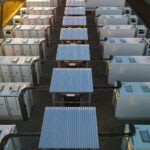
Infrastructure and storage: The biggest challenges facing electrification
All electrification plans depend on having adequate electrical infrastructure. Gómez Expósito draws a parallel with the widespread everyday use of the internet, “which required fiber-optic networks to be rolled out in urban areas and 4G/5G networks to be deployed nationwide. The difference is that power grids require much greater investment than communications networks and can have a much larger environmental impact,” he cautions.
One of the main challenges is that solar and wind power generation depend on weather conditions. Expanding renewable energy capacity therefore calls for stronger transmission and distribution grids, along with better and energy storage technologies.
“Electrification is expected to double electricity demand over the next decade, with new sources of demand such as data centers, electric vehicles, heating and cooling systems, and electrolyzers. Notably, hundreds of gigawatts of planned generation and demand across Europe, the United States, and other countries remain on the sidelines, awaiting grid connection approval because the networks lack sufficient capacity,” explains the University of Seville professor.
When it comes to storage, Gómez Expósito sees it as more of a solution than a challenge. “Some of us believe it is the ‘holy grail’ of the energy transition.” Energy storage makes it possible to capture surplus electricity generated from renewable sources and release it when needed.
What role will electrification play at COP31?
The presidency of the 31st Conference of the Parties to the United Nations Framework Convention on Climate Change (COP31), to be held in Antalya, Türkiye, from November 9 to 20, has made expanding electrification one of its climate action priorities. More precisely, it has launched the 35 by 35 initiative, which aims to increase electricity’s share of global final energy consumption to 35% by 2035. Meanwhile, the European Commission is targeting an electrification rate of between 50% and 60% across Europe by 2050.
According to the University of Seville professor, electrification has always featured at successive COP conferences, “as you would expect, but it will be even more prominent at the upcoming conference. This is partly because geopolitical tensions in the fossil fuel sector will, paradoxically, help accelerate the adoption of technologies such as electric vehicles and heat pumps, and partly because of the rapid growth of new sources of electricity demand, including AI.”

Frequently asked questions about electrification
Does electrification always reduce CO₂ emissions?
Not necessarily. It depends on how the electricity is generated, the technology being replaced, and the environmental impacts associated with manufacturing equipment and infrastructure.
What is the difference between electrification and renewable energy?
Electrification replaces technologies that directly consume fossil fuels with electric alternatives. Renewable energy sources, such as solar and wind, can be used to generate some of that electricity.
Why are heat pumps important for electrifying buildings?
They use electricity to transfer heat and can replace heating systems that directly burn natural gas or heating oil.
Which sectors are the hardest to electrify?
Certain high-temperature industrial processes, long-haul aviation, and heavy shipping face technological challenges when it comes to direct electrification.
What is renewable electricity storage used for?
It allows surplus renewable electricity to be stored and supplied when demand arises.
What is the goal of COP31’s 35 by 35 initiative?
To increase electricity’s share of global final energy consumption to 35% by 2035.