BBVA has announced that it will take part as the Global Bank of the upcoming United Nations Climate Change Conference (COP31), to be held from November 9 to 20 in the city of Antalya, Türkiye. Through this partnership, the bank will work alongside the climate summit’s Presidency and the United Nations to help drive financing for the energy transition.
-

Antoni Ballabriga(Director global de Inteligencia en Sostenibilidad de BBVA)

BBVA's Agenda at COP31
9 November | 12h. (Türkiye time)
Venue: Main Stage | BBVA Pavilion
From Water Risk to Competitive Advantage: Starting the Water Transformation Journey
9 November | 12h. (Türkiye time)
Venue: Private meeting | BBVA Pavilion
Launching a Coalition to Scale Climate-Resilient Agriculture through Blended Finance
In-person event only
9 November | 13h. (Türkiye time)
Venue: Main stage | BBVA Pavilion
Accelerating Next Gen of Sustainable Agriculture
9 November | 14h. (Türkiye time)
Venue: Main stage | BBVA Pavilion
Growing Together: Strategic Partnerships Shaping the Future of Agriculture
9 November | 15h. (Türkiye time)
Venue: Main stage | BBVA Pavilion
Financing Nature-Positive Food Systems: From Climate Policy to Investment Pipelines
9 November | 16h. (Türkiye time)
Venue: Main stage | BBVA Pavilion
How Can Private Capital Finance Water Resilience
9 November | 17h. (Türkiye time)
Venue: Main stage | BBVA Pavilion
Financing Regenerative Agriculture: Building Resilient Food Systems Across the Value Chain
10 November | 10h. (Türkiye time)
Venue: Main Stage | BBVA Pavilion
Setting up the CCUS value chain at scale
10 November | 11h. (Türkiye time)
Venue: Blue Zone
From Clean Power to an Electrified Economy at UN pavilion
10 November | 11h. (Türkiye time)
Venue: Private meeting | BBVA Pavilion
Investing in decarbonization of Hard-to-Abate Industries Under Competitive Pressures
In-person event only
10 November | 12h. (Türkiye time)
Venue: Private meeting | BBVA Pavilion
Financing Türkiye’s Next Power-Sector Investment Cycle
In-person event only
10 November | 13h. (Türkiye time)
Venue: Main stage | BBVA Pavilion
Using AI to Accelerate Climate action
10 November | 14h. (Türkiye time)
Venue: Main stage | BBVA Pavilion
Responsible Mining of Critical Metals: the Only Way Forward
10 November | 14h. (Türkiye time)
Venue: Private meeting | BBVA Pavilion
Unlocking green hydrogen demand: lessons learned
In-person event only
10 November | 15h. (Türkiye time)
Venue: Main stage | BBVA Pavilion
Low-Emission Vehicle Finance and Overcoming
10 November | 15h. (Türkiye time)
Venue: Private meeting | BBVA Pavilion
Creating New Supplies of Critical Raw Materials for a Resilient Energy Transition
In-person event only
10 November | 16h. (Türkiye time)
Venue: Main stage | BBVA Pavilion
The Heat Beneath Our Feet: Geothermal Energy and the Path to Energy Autonomy
10 November | 16h. (Türkiye time)
Venue: Private meeting | BBVA Pavilion
Policy Framework for the Next Phase of Electrification
In-person event only
11 November | 13h. (Türkiye time)
Venue: Blue Zone
From Billions to $1.3 Trillion
12 November | 09:30h. (Türkiye time)
Venue: Blue Zone
Caring for Climate. Roundtable with the Secretary General & UN Global Compact
13 November | 10h. (Türkiye time)
Venue: Private meeting | BBVA Pavilion
Mobilizing 1.3T & Unlocking Institutional Capital for the Climate Transition
In-person event only
13 November | 11:30h. (Türkiye time)
Venue: Private meeting | BBVA Pavilion
Scaling Transition Finance: Banks and Investors Financing the Real Economy Transition
In-person event only
13 November | 13h. (Türkiye time)
Venue: Main Stage | BBVA Pavilion
From CBAM Exposure to Carbon Hedging: Türkiye's First-Mover Case Study
13 November | 13h. (Türkiye time)
Venue: Private meeting | BBVA Pavilion
Türkiye Valuation of Climate-Related Risk
In-person event only
13 November | 14h. (Türkiye time)
Venue: Main Stage | BBVA Pavilion
Women in Climate
13 November | 15h. (Türkiye time)
Venue: Main Stage | BBVA Pavilion
From Climate Projects to Investable Pipelines With a deal spotlight
13 November | 15h. (Türkiye time)
Venue: Private meeting | BBVA Pavilion
Article 6: Catalyst for Global Carbon Markets and Climate Diplomacy?
In-person event only
13 November | 16h. (Türkiye time)
Venue: Main Stage | BBVA Pavilion
Bridging Markets, Powering Futures: Navigating the China - Türkiye Trade Corridor
13 November | 17h. (Türkiye time)
Venue: Main Stage | BBVA Pavilion
Carbon Markets in Mexico and Latin America
13 November | 17h. (Türkiye time)
Venue: Private meeting | BBVA Pavilion
Water as Financial Risk: Integrating Physical Water Risk into Credit Decisions
In-person event only
14 November | 10h. (Türkiye time)
Venue: Private meeting | BBVA Pavilion
Placeholder TBD: Directing private wealth towards development with WBCSD
In-person event only
14 November | 10h. (Türkiye time)
Venue: Main Stage | BBVA Pavilion
Special Case: TSRS Implementation
14 November | 11h. (Türkiye time)
Venue: Private meeting | BBVA Pavilion
Placeholder TBD: Integrated resilience topic
In-person event only
14 November | 11h. (Türkiye time)
Venue: Main Stage | BBVA Pavilion
Better Jobs in a changing climate, from worker protection to workforce resilience
14 November | 12h. (Türkiye time)
Venue: Main Stage | BBVA Pavilion
Financing the Green Generation: Education, Skills & Opportunity for an Inclusive Transition
14 November | 13h. (Türkiye time)
Venue: Main Stage | BBVA Pavilion
The Climate Generation at Work: Young Entrepreneurs Building the Transition
14 November | 14h. (Türkiye time)
Venue: Main Stage | BBVA Pavilion
Empowering Youth Through Career Opportunities
14 November | 15h. (Türkiye time)
Venue: Main Stage | BBVA Pavilion
The Care Economy: Building Resilient Societies for Türkiye
14 November | 15h. (Türkiye time)
Venue: Private meeting | BBVA Pavilion
CHRO Roundtable: Youth & AI
In-person event only
16 November | 10h. (Türkiye time)
Venue: Main Stage | BBVA Pavilion
Breaking the Mold: Circular Pathways to Cement Decarbonization
16 November | 11h. (Türkiye time)
Venue: Main Stage | BBVA Pavilion
Carbon Pricing in Türkiye
16 November | 12h. (Türkiye time)
Venue: Main Stage | BBVA Pavilion
Forged Green: Circular metal in the Race to Net Zero
16 November | 13h. (Türkiye time)
Venue: Main Stage | BBVA Pavilion
How Managing Vulnerability Defines Tomorrow's Market Leaders
16 November | 15h. (Türkiye time)
Venue: Private meeting | BBVA Pavilion
Aligning Adaptation Finance with EU Frameworks and National Resilience Strategies The gap between the National Adaptation plans and execution (how to get there)
In-person event only
16 November | 17h. (Türkiye time)
Venue: Private meeting | BBVA Pavilion
El Niño Outlook: Preparing Financial Systems for Climate-Driven Physical Risks
In-person event only
17 November | 10h. (Türkiye time)
Venue: Main Stage | BBVA Pavilion
Nature positive finance and biodiversity risk
17 November | 13h. (Türkiye time)
Venue: Private meeting | BBVA Pavilion
Shaping the Mediterranean Agrifood Future: Türkiye's Strategic Role and Innovation Potential
In-person event only
17 November | 14h. (Türkiye time)
Venue: Main Stage | BBVA Pavilion
Financing Climate-Resilient Tourism in Türkiye
17 November | 15h. (Türkiye time)
Venue: Main Stage | BBVA Pavilion
Financing Türkiye’s Blue Economy: Building a Bankable Pipeline for Blue Bonds
17 November | 15h. (Türkiye time)
Venue: Private meeting | BBVA Pavilion
Türkiye Zero-Waste Outlook: Policy, Finance and Scalable Business Models
In-person event only
17 November | 16h. (Türkiye time)
Venue: Main Stage | BBVA Pavilion
Scaling High-Integrity Nature-Based Solutions
18 November | 10h. (Türkiye time)
Venue: Private meeting | BBVA Pavilion
Human Rights & Just Transition Workshop with Minerva BHR
In-person event only
18 November | 11h. (Türkiye time)
Venue: Main Stage | BBVA Pavilion
Beyond the Gap: Financing Women in Business from Leadership to Employment
18 November | 12h. (Türkiye time)
Venue: Main Stage | BBVA Pavilion
Scaling Affordable & Sustainable Housing through Public-Private Partnerships
18 November | 13h. (Türkiye time)
Venue: Private meeting | BBVA Pavilion
Orange Bond & 20 Years of Women Entrepreneurship: From Commitment to Progress
In-person event only
18 November | 16h. (Türkiye time)
Venue: Main Stage | BBVA Pavilion
Building Resilience in Rural Communities
19 November | 10h. (Türkiye time)
Venue: Private meeting | BBVA Pavilion
Co-event with Fıs
In-person event only
19 November | 12h. (Türkiye time)
Venue: Main Stage | BBVA Pavilion
Empowering SMEs with 360 Sustainability Tools
19 November | 13h. (Türkiye time)
Venue: Main Stage | BBVA Pavilion
Scaling Sustainable Sukuk







1. Financing electrification and sustainable infrastructure at scale
Infrastructure is where climate ambition takes shape and becomes tangible: cleaner energy systems, modern grids, storage, transportation, efficient buildings, water management and resilient cities. The COP31 Presidency has placed electrification at the heart of the agenda, with the aim of increasing electricity’s share of final energy demand to 35 percent, up from 20 percent today.
Reaching this target will require massive investment in grids, clean energy, storage, electric mobility and industrial electrification, especially in emerging markets, where financial barriers remain high. In this context, banks play a critical role by turning these needs into bankable projects through financing, advisory services and risk management.
2. Making cleantech bankable
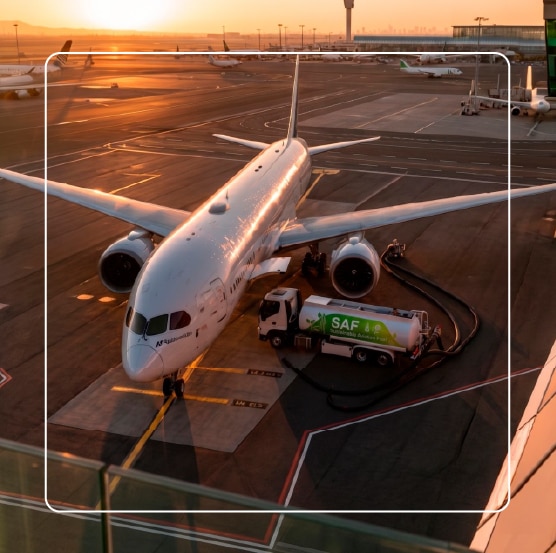
The next phase of the transition depends not only on deploying mature solutions, but also on making cleantech commercially viable. COP31 has made sustainable industrialization and clean energy key priorities, advancing technologies such as storage, hydrogen, alternative fuels, geothermal energy, carbon capture and circular industrial processes to decarbonize sectors with the highest emissions.
Banks can accelerate this process by helping to bridge the gap between innovation and investment. To do so, they structure financing, share risks, connect clients with public and private capital and support first-of-a-kind projects until they can be replicated at scale.

3. Supporting sustainability across value chains
Climate action increasingly depends on value chains. Companies cannot reach their transition targets without involving suppliers, clients and industrial partners. Aligned with COP31 priorities, this vision aims to promote more transparent, resilient and circular value chains that lower emissions and waste, strengthen SMEs and create new investment opportunities.
Banks can accelerate this process by combining financing and sustainable information, advisory services and solutions for companies and their ecosystems. The goal is not only to finance anchor companies but also to extend sustainability across their network of suppliers and clients.

4. Promoting resilience, conservation and regeneration of natural capital
The Paris Agreement not only aims to reduce emissions, but also to strengthen resilience to the impacts of climate change, which are already affecting ecosystems, communities, companies and infrastructure. However, adaptation financing remains insufficient. UNEP estimates that developing countries will need between $310 billion and $365 billion per year until 2035, compared with the $26 billion mobilized in 2023.
Banks play a critical role in this context by financing adaptation and integrating the analysis of physical risks, water management, biodiversity, agriculture and other nature-based solutions to strengthen territorial resilience.
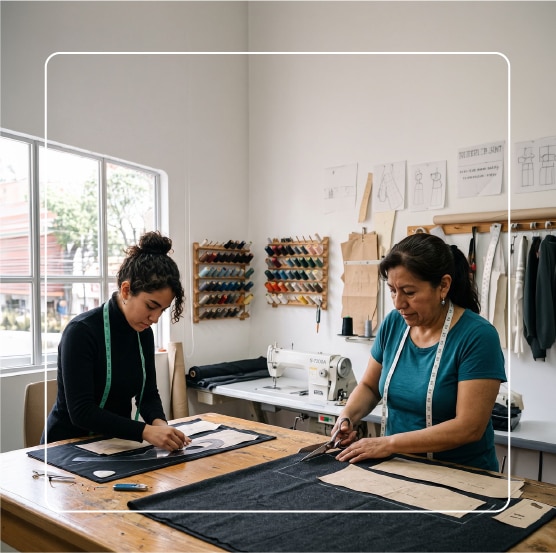
5. Boosting sustainability for all
This transition will not last unless it is inclusive. To achieve this, it must support households, SMEs, women entrepreneurs, rural communities, migrants, workers and regions exposed to transition and physical risks. The IPCC notes that equity, inclusion and a just transition are vital to achieving more ambitious mitigation and adaptation targets.
In this context, banks face the challenge of making sustainability accessible and bankable for more people and small businesses. This means offering financial and non-financial solutions that support the transition of SMEs, women-led businesses, rural communities and other key groups.

6. Contributing to a sustainable financial system
Climate action requires a financial system capable of mobilizing capital at a greater scale, with better instruments and in the markets where the financing is needed most. At COP29, countries agreed to triple climate finance for developing countries to $300 billion per year by 2035, while calling on all actors to mobilize $1.3 trillion per year from public and private sources. This makes finance one of the central implementation challenges of the Paris Agreement. It also fits COP31’s approach to financing design, investable project portfolios and practical delivery mechanisms.
Banks can accelerate the transition through transition finance, blended finance, sustainable bonds, risk-sharing structures and support for their clients’ transition plans. They can also help foster a new financial architecture, especially in emerging economies.
Sustainability is a key strategic priority for BBVA, which views the energy transition as an opportunity to move forward and grow. For this reason, it supports its clients and offers advisory and financing services with the aim of contributing to the decarbonization of the economy and generating new business opportunities.