Zero Waste: What It Is, Its Principles and How to Reduce Waste
Zero waste is a movement that advocates a production and consumption model designed to prevent waste through reduction, reuse, repair, recycling and composting. The aim is to make the most of resources.

This approach calls for changing how products are designed, manufactured, used and disposed of. Its goal is to keep materials in use for as long as possible, reduce raw material consumption and cut the amount of waste sent to landfills or incinerators.
What does zero waste mean, and what is its goal?
According to the Zero Waste International Alliance (ZWIA), the goal is “the conservation of all resources by means of responsible production, consumption, reuse, and recovery of products, packaging, and materials without burning and with no discharges to land, water, or air that threaten the environment or human health.”
For ZWIA, achieving this goal depends on producers and manufacturers choosing to follow these principles, but it is also in the hands of each consumer and their commitment to the cause. Changing habits and priorities is a task for society as a whole. Institutions and governments also have a key role to play by adopting zero-waste regulations, tax incentives and support for less-polluting activities.
What are the five Rs of zero waste?
The model can be summed up in five concepts:
- Refuse what you do not need.
- Reduce what you do need.
- Reuse all kinds of materials, packaging and containers, and choose secondhand products where possible.
- Recycle anything that cannot be refused or reduced.
- “Rot (compost): compost organic matter to produce natural fertilizer.”

The problem is that, despite these initiatives, waste is increasing at an alarming rate. According to the World Bank, unless global zero-waste policies are successfully promoted, waste generation is expected to reach 3.86 billion metric tons by 2050—an increase of 50% in less than three decades.
What measures support the zero-waste model?
- Cut the use of plastic bags, especially single-use bags, by charging for them, promoting reusable alternatives and limiting their distribution. The European Union and Spain have already legislated to this effect. Directive (EU) 2019/904 prohibits placing certain single-use plastic products on the market, including cutlery, plates, straws, beverage stirrers, cotton swabs, certain food containers and cups made of expanded polystyrene, and products made from oxo-degradable plastic. Spain incorporated these restrictions through Law 7/2022 on waste and contaminated soils for a circular economy. The law does not impose a blanket ban on all plastic cups and food containers. For those not covered by the ban, it sets consumption-reduction targets of 50% by 2026 and 70% by 2030, compared with 2022 levels, and since January 1, 2023, requires consumers to be charged a separate price for each item.
- Reduce other disposable products, such as single-use bottles, cutlery, straws and containers.
- Encourage reuse and repair to extend product lifespans.
- Introduce deposit-return schemes for packaging.
- Improve separate collection and recycling of paper, glass, metals, plastics and other materials.
- Expand composting of organic waste.
- Apply extended producer responsibility, so manufacturers and distributors play a role in preventing and managing waste.
- Promote ecodesign, with durable, repairable and recyclable products.
- Promote buying in bulk and reusable packaging.
- Introduce tax incentives and regulatory measures that support waste prevention and the circular economy.
- Raise awareness among businesses, public authorities and citizens about production and consumption habits that reduce waste.
How can you put zero waste into practice in everyday life?
Embracing zero waste does not mean eliminating all waste overnight. It means adopting habits that help prevent waste and make better use of resources. Examples include:
- Refuse single-use products and items you do not need.
- Cut back on impulse purchases and choose durable products with less packaging.
- Reuse bags, bottles, containers and other items as many times as possible, and give clothes or furniture a second life.
- Repair products before replacing them with new ones whenever possible.
- Recycle unavoidable waste correctly, separating it according to the collection system used by your local municipality.
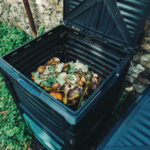
- Compost organic waste where possible, either at home or through systems provided by the local government.
How are zero waste and the circular economy related?
Environmental groups such as Ecologistas en Acción are calling for better product labeling so consumers can understand the environmental impact—including waste—of what they buy. They also warn that some materials marketed as biodegradable are far less so than advertised.
Biodegradable plastics made from organic materials such as cassava, corn and wheat have emerged as one possible alternative. However, the United Nations Environment Programme (UNEP) warns that these materials “will not significantly reduce either the volume of plastic entering the ocean or the physical and chemical risks that plastics pose to the marine environment.”
The answer lies elsewhere: not only in applying the five Rs to consumption, but in a broader shift toward the circular economy: “A model of production and consumption that involves sharing, leasing, reusing, repairing, refurbishing and recycling existing materials and products for as long as possible to create added value and extend product life cycles,” as defined by the European Commission.
Zero waste joins the COP31 Presidency Action Agenda
Alongside electrification and resilient cities, zero waste has become one of the priorities of the COP31 Presidency Action Agenda. COP31 will be held in Antalya, Türkiye, from November 9 to 20, 2026. The summit places waste prevention and the circular economy among the measures needed to accelerate climate action, with a goal of halving the rate of growth in global waste by 2035 and driving reductions in methane and other harmful greenhouse gas (GHG) emissions from the waste sector.
The initiative builds on the Zero Waste movement, championed internationally by Emine Erdoğan, First Lady of Türkiye and founder of the movement. The COP31 Presidency aims to place the initiative at the heart of international climate policy as a tool to accelerate the transition to a circular economy and to mobilize governments, businesses and citizens around practical solutions.

Frequently asked questions about zero waste
What is zero waste?
It is a model designed to prevent waste through reduction, reuse, repair, recycling and composting.
What is the difference between recycling and zero waste?
Recycling is one of the strategies used in the zero-waste model, but the priority is to prevent waste from being generated in the first place.
What are the five Rs of zero waste?
Refuse, reduce, reuse, recycle and compost organic waste.
How are zero waste and the circular economy related?
Both models aim to keep materials in use for as long as possible and reduce the extraction of new resources.
What measures can help reduce waste?
Use reusable products, avoid single-use items, repair before replacing, and separate waste correctly.